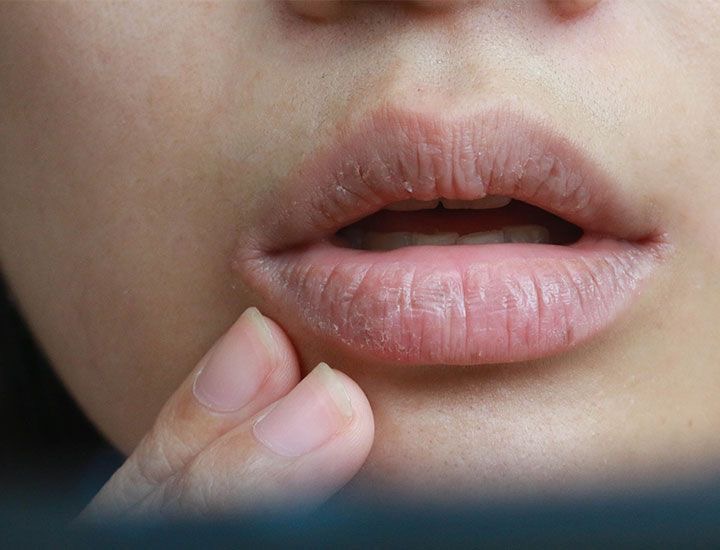
Chapped lips are a common nuisance during the winter months, with many individuals experiencing discomfort and dryness in this sensitive area. Several factors contribute to the development of chapped lips in winter.
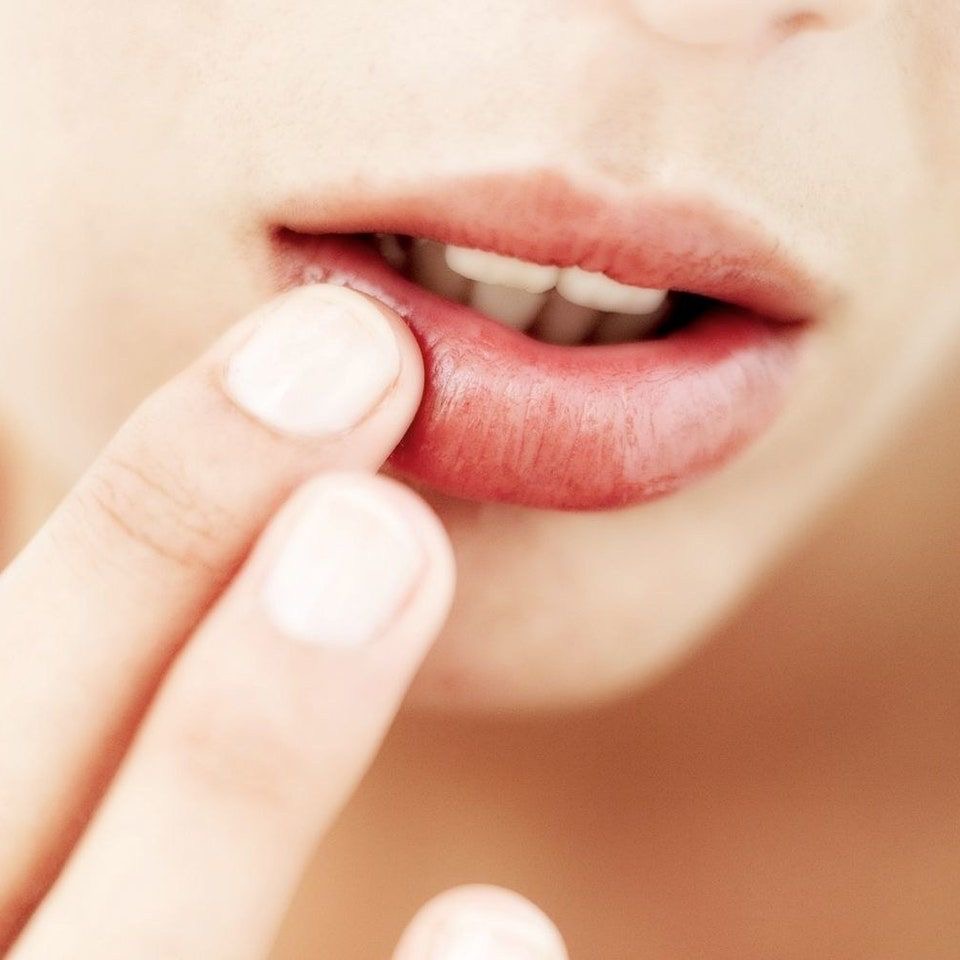
1. Cold, Dry Air: Winter is associated with a drop in temperature and a decrease in humidity levels. Cold, dry air can strip moisture from the skin, including the delicate skin of the lips. This lack of moisture can lead to dryness, cracking, and chapping.
2. Indoor Heating: People often rely on indoor heating systems to stay warm during winter. Unfortunately, these systems can further reduce indoor humidity, exacerbating the dryness that affects the lips and skin.
3. Lip Licking: Many people have a tendency to lick their lips when they feel dry or chapped. Paradoxically, licking the lips can exacerbate the problem because the saliva evaporates quickly, leaving the lips even drier.
4. Sun Exposure: Even in winter, the sun’s harmful UV rays can still affect the lips. Prolonged exposure can lead to sunburn and further damage to the lip’s delicate skin.

To combat chapped lips in winter, consider these preventative measures:
1. Use Lip Balm: Apply a high-quality lip balm with moisturizing ingredients like beeswax, shea butter, or coconut oil. Regular use can help lock in moisture and prevent chapping.
2. Stay Hydrated: Drinking plenty of water helps keep the skin, including the lips, hydrated from the inside out.
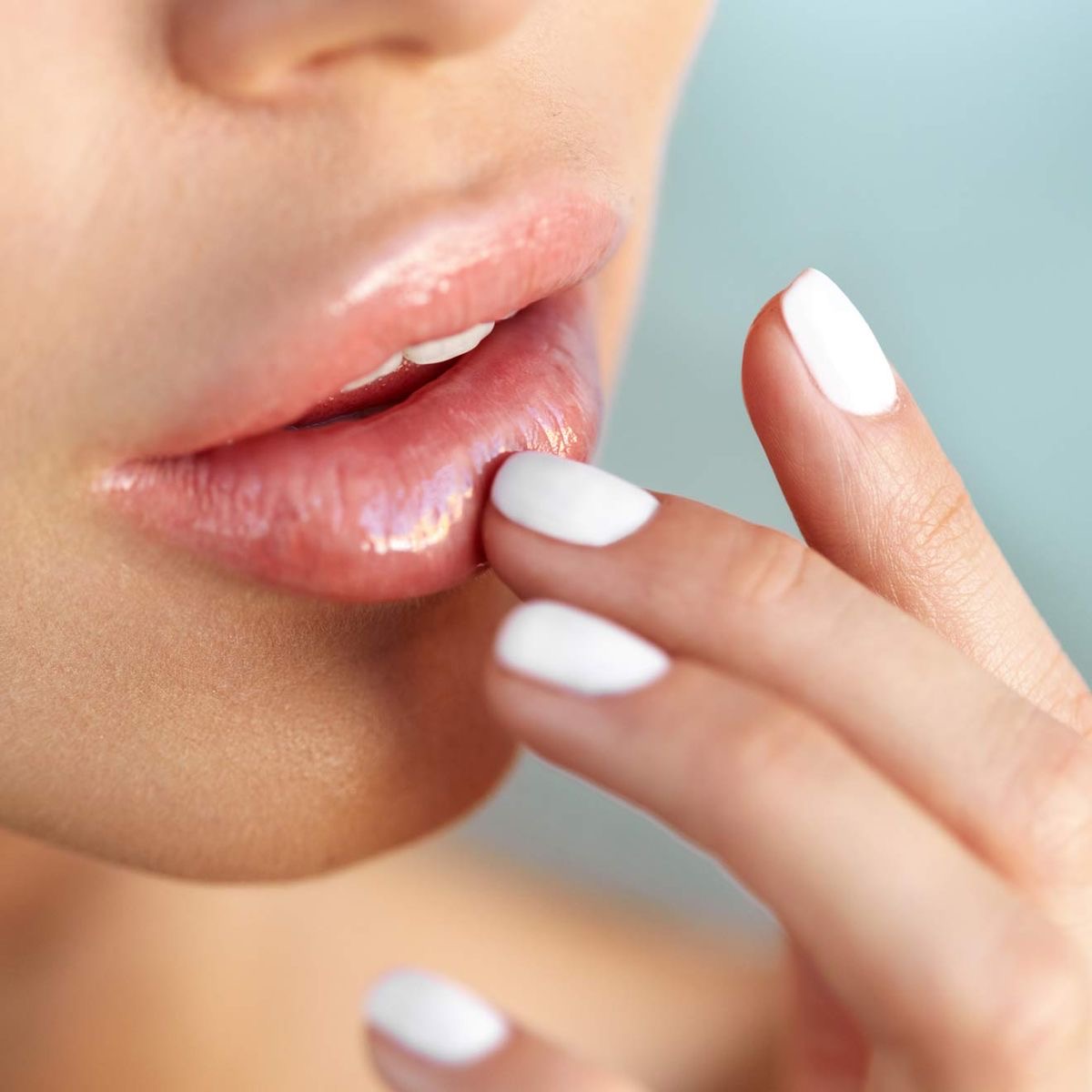
3. Protect Lips: Use lip balms with SPF to shield your lips from the sun’s rays, and cover your face with a scarf when venturing out into cold, dry weather.
4. Humidify Indoor Air: Using a humidifier in your home can help maintain optimal indoor humidity levels, preventing excessive dryness.