


In any relationship, it is crucial to prioritize one’s emotional and physical well-being. Unfortunately, some relationships can turn toxic, leaving individuals feeling trapped and vulnerable. Recognizing the signs of an abusive partner is essential to protect oneself and seek help. Here are some red flags that indicate you may be in an abusive relationship

1. Controlling Behavior
One of the most prominent red flags is a partner who exhibits controlling behavior. They may dictate your actions, isolate you from friends and family, or monitor your every move. This behavior deprives you of independence and autonomy, causing emotional distress and stifling personal growth.
2. Frequent Criticism and Put-Downs
An abusive partner often belittles and criticizes their significant other, eroding their self-esteem and self-worth. They may constantly demean you, mock your achievements, or make hurtful comments. This consistent negativity can lead to feelings of worthlessness and insecurity.
3. Explosive Anger and Intimidation
If your partner frequently displays angry outbursts, becomes physically aggressive, or intimidates you, it is a major red flag. Abusers may resort to physical violence, breaking objects, or threatening harm to keep you under their control. This behavior creates an environment of fear and instability.
4. Gaslighting and Manipulation
Gaslighting is a manipulative tactic used by abusers to make their victims doubt their own reality. They may deny or distort events, making you question your memory or perception of the situation. This can lead to confusion, self-doubt, and emotional instability.
5. Emotional and Financial Control
Abusive partners often exert control over finances, limiting your access to money or employment opportunities. They may use financial dependence as a means of power and control. Additionally, they may manipulate your emotions, guilt-tripping or using emotional blackmail to maintain control over you.
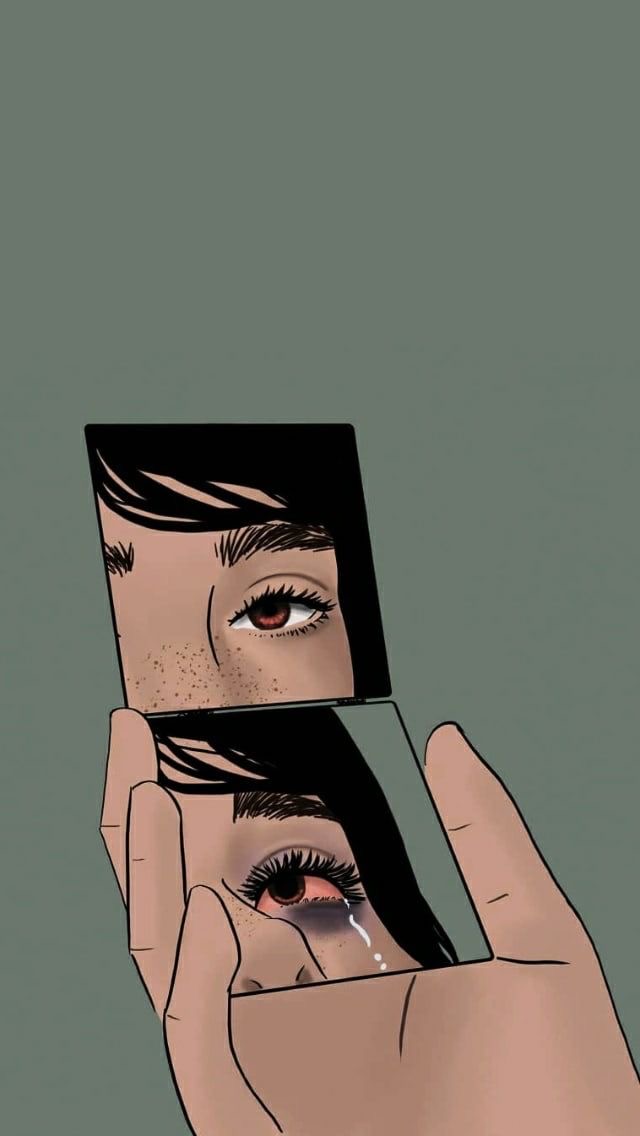
Recognizing the signs of an abusive relationship is the first step towards regaining control and seeking help. If any of these red flags resonate with your relationship, it is crucial to reach out to a trusted friend, family member, or professional support network. Remember, you deserve to be in a healthy, loving relationship that respects your boundaries and values your well-being.


