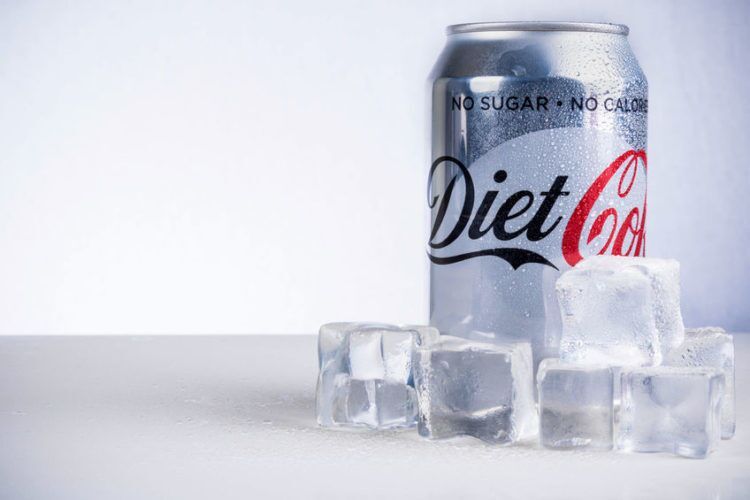
Should You Quit Diet Coke? Here’s All About Aspartame!

One of the research is making rounds over the news and internet that Aspartame has been declared as a cancer-causing substance. But what does it actually mean and are you at risk?
Class 2b carcinogen
Aspartame has been declared as a class 2b carcinogen, which means it is possible to be a cancer causing substance. A class 2B carcinogen, according to the International Agency for Research on Cancer (IARC), is a substance or agent that is possibly carcinogenic to humans. It means it is any substance or agent that has the potential to cause cancer. These can include chemicals, radiation, certain viruses, and other factors that can alter the genetic material (DNA) in cells and lead to the development of cancer. Carcinogens can be found in various environments, such as in the workplace, in certain foods, in tobacco smoke, and in air pollution. It is important to minimize exposure to known carcinogens and follow safety guidelines and regulations to reduce the risk of developing cancer.
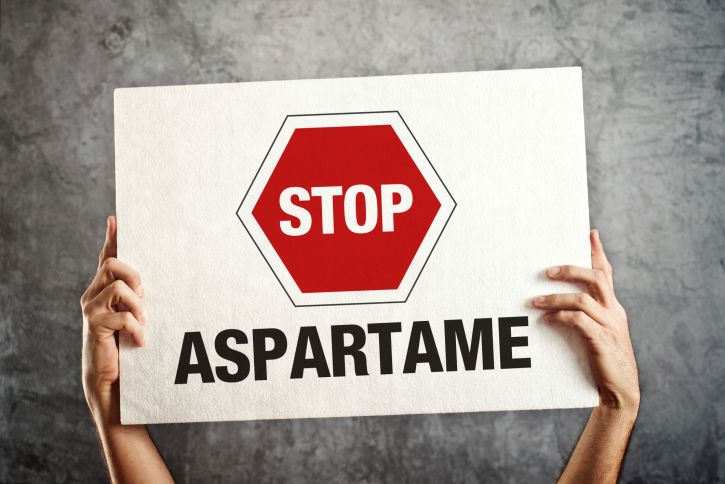
Aspartame
Aspartame is an artificial sweetener that is commonly used as a sugar substitute in various food and beverage products. It is composed of two amino acids, phenylalanine and aspartic acid, and a small amount of methanol. Aspartame is about 200 times sweeter than sugar, which allows for its use in smaller quantities to achieve the desired sweetness. This sweetener is found in a wide range of products, including diet sodas, sugar-free or low-calorie drinks, chewing gum, tabletop sweeteners, yogurt, desserts, and various processed foods labeled as “sugar-free” or “diet.” It is important to note that aspartame is not heat-stable, so it may not be used in baking or cooking at high temperatures.
Should you quit diet coke?
It is believed that diet coke is a healthier alternative to regular coke as it has 0 calories but there are different views about diet coke. Experts mention the fact that diet Coke drinkers have a high rate of obesity than those who don’t. Moreover, the sugar substitutes that are found in the diet drinks like aspartame, sucralose, and saccharin are likely to disturb your natural metabolism. Furthermore, they increase the risk of heart disease and diabetes because artificial sweeteners are likely to be sweeter than regular sugar. To add onto this, Aspartame has been currently declared as a possible risk of cancer which provides all the right reasons to skip diet coke.
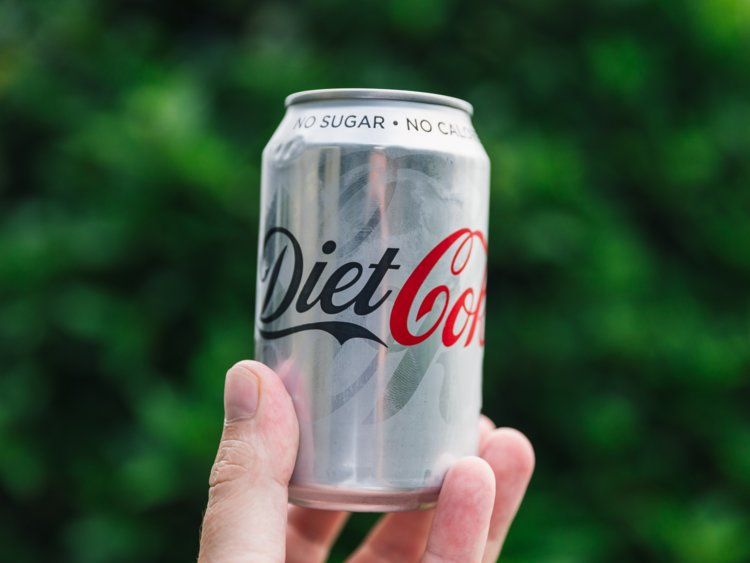
What substances contain aspartame?
Aspartame is commonly found in various food and beverage products, including:
1. Diet sodas: Many diet sodas, including cola, lemon-lime, and flavored varieties, use aspartame as a sugar substitute.
2. Sugar-free or low-calorie drinks: Aspartame is often used in powdered drink mixes, flavored water, and other beverages marketed as sugar-free or low-calorie.
3. Chewing gum: Some sugar-free chewing gums contain aspartame to provide sweetness without sugar.
4. Tabletop sweeteners: Aspartame can be found in packets or tablets used as sugar substitutes for coffee, tea, and other beverages.
5. Yogurt: Certain brands of sugar-free or low-calorie yogurts may use aspartame as a sweetener.
6. Desserts: Some sugar-free or reduced-sugar desserts, such as puddings, gelatins, and ice creams, may contain aspartame.
7. Processed foods: Aspartame can be found in a variety of processed foods labeled as “sugar-free” or “diet,” such as snack bars, cereals, and canned fruits.
It’s important to read food labels if you are looking to avoid or limit your consumption of aspartame.