The arrest of alleged drug network operator Anmol alias Pinky has become one of the biggest crime stories in Karachi this month, sparking nationwide debate about narcotics networks, law enforcement, and possible influential connections.
What Happened?
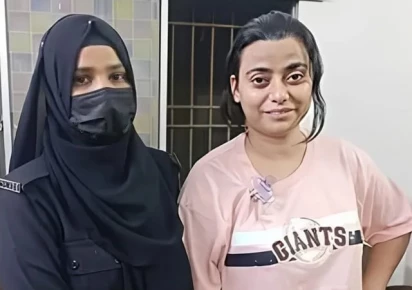
According to Karachi police, Pinky was arrested during an intelligence-based operation in the Garden area after reportedly being wanted in multiple narcotics-related cases registered between 2021 and 2024. Authorities claim cocaine, chemical substances, raw material allegedly used in drug preparation, and an unlicensed weapon were recovered during the raid. Police also allege that she was operating a sophisticated distribution network extending beyond Karachi.
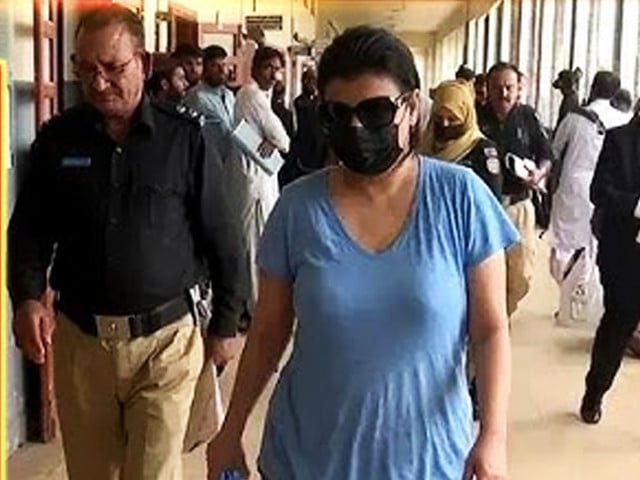
What made the case even more controversial was her court appearance. Videos circulating online showed Pinky entering court without handcuffs, smiling and interacting casually with officials, leading to public outrage. Following the backlash, several police officials were suspended and a high-level inquiry was ordered into possible protocol violations.
Recent Updates
The latest development came when a Karachi court granted police a three-day physical remand so investigators could trace the alleged source of cocaine supply, examine financial records, and identify possible accomplices. Investigators have also reportedly arrested an alleged accountant linked to her financial operations, suggesting the probe is expanding beyond a single suspect.

At this stage, the allegations remain under investigation, but the “Pinky case” has already exposed larger questions about urban drug networks, enforcement gaps, and whether organized crime in Pakistan has become more sophisticated than ever.