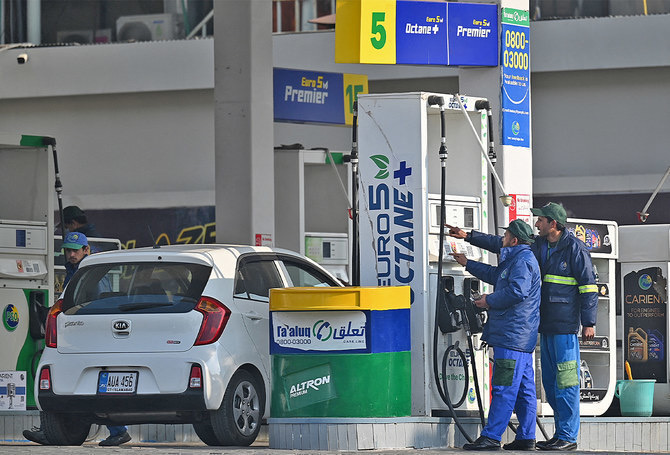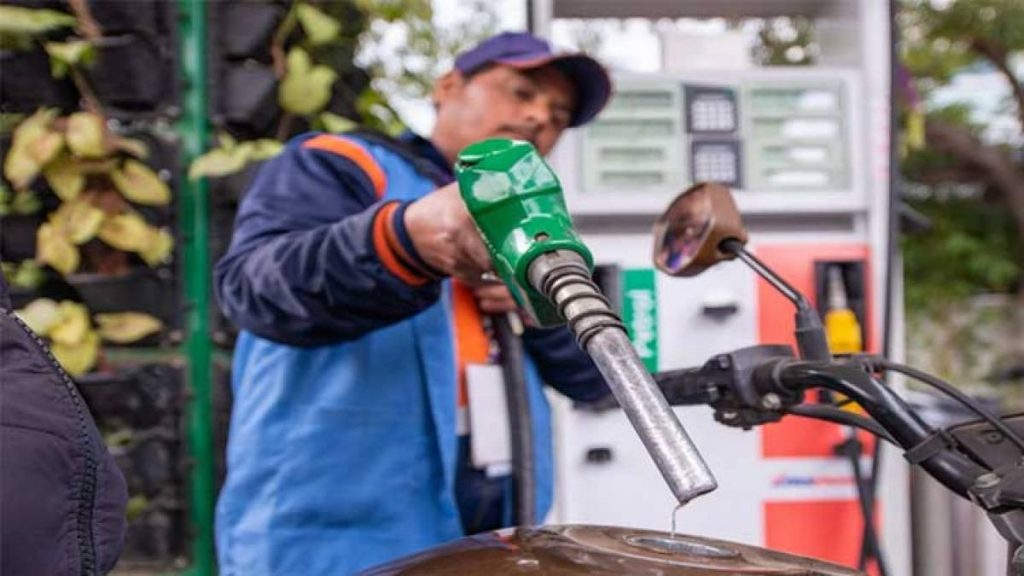

High fuel prices don’t just affect what we pay at the petrol pump—they quietly shape many parts of our daily lives. From transportation to groceries, the ripple effect is felt everywhere.
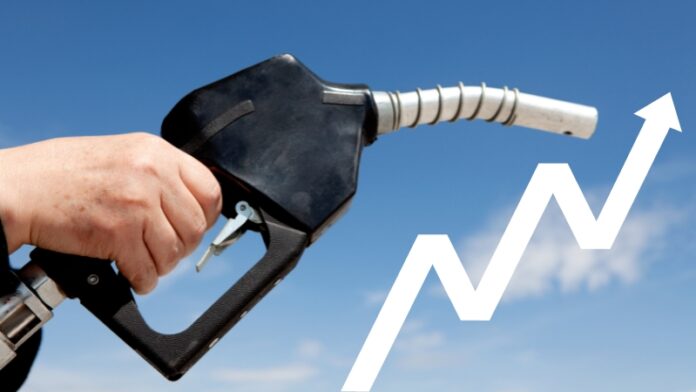
Everyday Impacts
One of the most immediate impacts is on commuting. Whether you use a car, motorcycle, or public transport, rising fuel costs increase travel expenses. For many people, this means cutting down on trips, carpooling, or relying more on public transport to save money.
Fuel prices also influence the cost of goods. Since transportation is essential for delivering food and other essentials, higher fuel costs lead to increased prices in markets. Groceries, vegetables, and even basic household items become more expensive, putting pressure on monthly budgets.
Another effect is on electricity and utility bills. In countries where fuel is used for power generation, higher fuel prices can lead to increased electricity costs, adding another financial burden.
High fuel prices can also change lifestyle choices. Families may reduce dining out, shopping, or recreational activities to manage expenses. Small businesses, especially those dependent on transport, may struggle with higher operating costs, which can affect their income and growth.
In the long run, consistently high fuel prices can lead to stress and financial uncertainty. People may need to rethink their spending habits and prioritize essential needs over luxuries.
In short, rising fuel prices don’t just stay at the pump—they influence how we live, spend, and plan our everyday lives.