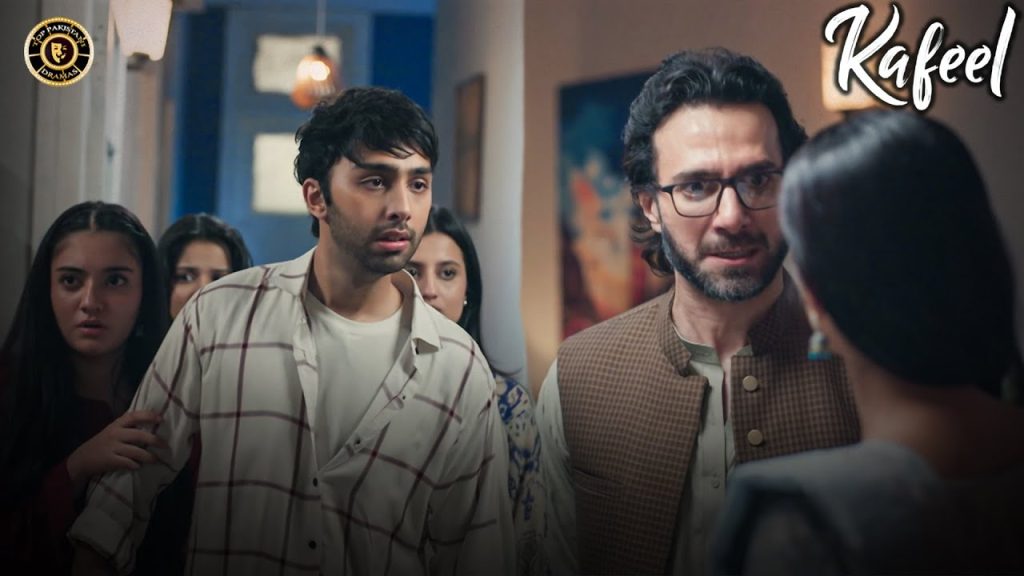

The Pakistani drama Kafeel, written by Umera Ahmed, is not just a story—it is a reflection of real-life struggles, relationships, and the emotional weight of choices. Set in the 1990s, the drama revolves around Zeba, whose life takes a painful turn after marrying Jami, a man she initially trusts but later discovers to be emotionally unstable and irresponsible.

Reality of Compromise
One of the strongest lessons Kafeel teaches is the reality of compromise. Zeba continuously sacrifices her dreams and self-respect to “save” her marriage. However, the drama challenges this idea by showing that compromise without dignity leads to emotional damage rather than stability. Her decision to stay despite red flags highlights how societal pressure often forces women into silent suffering.

Importance of a Responsible Partner
The drama also powerfully portrays the importance of a responsible partner. Jami’s inability to handle financial and emotional responsibilities creates a toxic environment where Zeba is forced to become the pillar of the family. This imbalance shows that marriage is not just about love—it requires maturity, accountability, and respect.
Wisdom of Parents
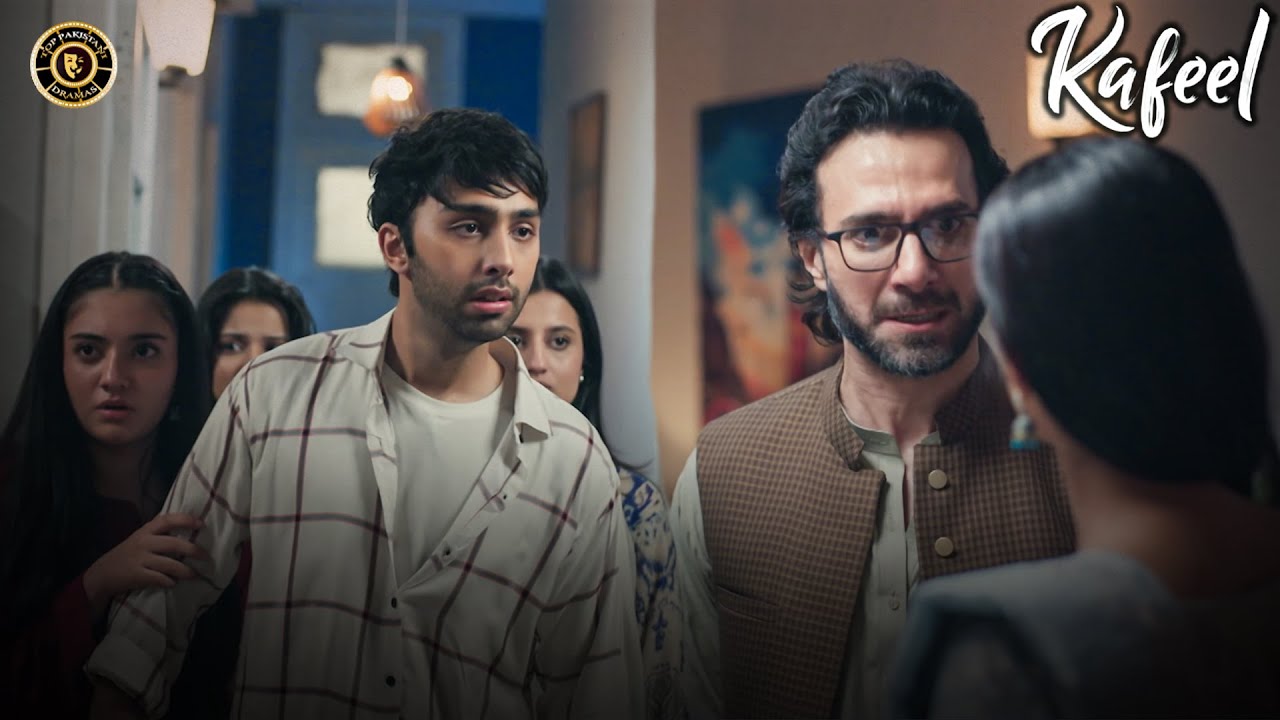
Another key theme is the wisdom of parents. Zeba’s father, who prioritizes her education and independence, represents foresight, while her mother’s insistence on early marriage reflects societal norms. This contrast teaches viewers that parents’ decisions can shape a child’s entire future.
Children
Perhaps the most touching lesson comes through the children. The character Subuk expresses a desire for strong, courageous parents, emphasizing that children suffer deeply in toxic households. The drama boldly suggests that staying in a harmful marriage “for the children” can do more harm than good.

In essence, Kafeel is a story of awakening—it teaches that self-respect, wise decisions, and emotional strength are essential for a healthy life.