A war between India and Pakistan in 2025 would have catastrophic consequences, both regionally and globally.
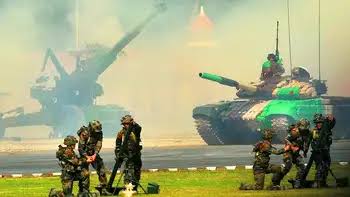
Humanitarian Catastrophe
A nuclear conflict could result in 50 to 125 million immediate deaths, primarily from blasts and ensuing firestorms. The smoke from these fires would inject massive amounts of soot into the atmosphere, leading to a significant drop in global temperatures and precipitation. This “nuclear winter” scenario could cause widespread famine, potentially threatening billions worldwide .
Environmental Devastation
The environmental impact would be profound. Soot from the fires would block sunlight, reducing global land temperatures by 4–8°C and decreasing precipitation by up to 30%. Agricultural productivity would plummet, with staple crops like maize and wheat experiencing significant declines, leading to global food shortages.
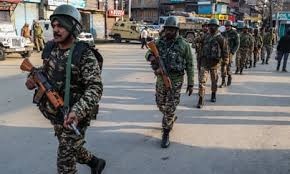
Economic Collapse
The economic ramifications would be severe. India’s economy could regress by a decade, with a fortnight-long war costing at least ₹2.5 lakh crore and increasing the fiscal deficit by 50%. Foreign investments would dwindle, and the rupee could depreciate significantly . Pakistan’s economy, already under strain, would face further destabilization, jeopardizing its recovery efforts and access to international funding .
Global Repercussions
The conflict would disrupt global markets, particularly in energy and agriculture. Investor confidence would wane, and supply chains could be severely affected. The Indus Waters Treaty suspension and airspace closures would further strain regional cooperation and economic stability.
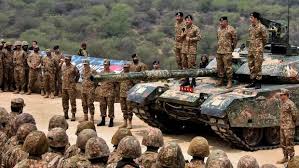
Diplomatic and Security Crisis
The war would strain international relations, with global powers urging de-escalation. The United Nations Security Council has already called for dialogue between the two nations to prevent further escalation . The risk of miscalculation or accidental launches would heighten, emphasizing the need for robust communication channels and conflict resolution mechanisms.
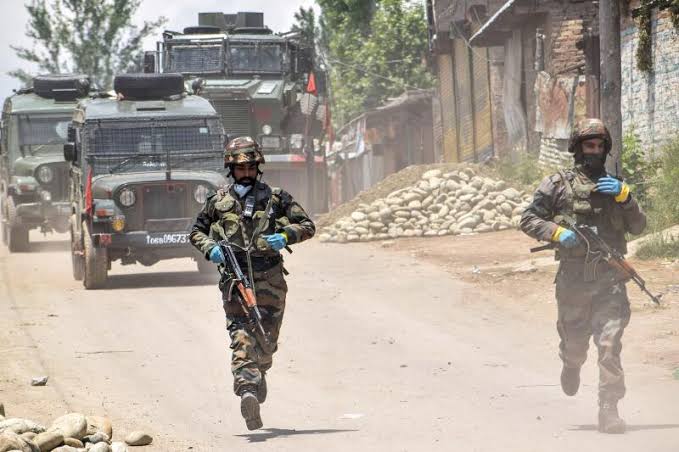
In conclusion, a war between India and Pakistan would not only devastate the involved nations but also have far-reaching global consequences. It underscores the imperative for diplomatic engagement, conflict prevention, and nuclear disarmament to ensure regional and global security.