Cervical cancer is a significant health concern affecting women worldwide, including Pakistan, where its incidence has been on the rise. Several factors contribute to the increasing prevalence of cervical cancer among women in Pakistan.

One of the primary reasons for the rise in cervical cancer cases is the lack of awareness and knowledge about the disease. Many women in Pakistan do not have access to proper healthcare facilities, and there is limited awareness about preventive measures such as regular screenings and vaccinations. This lack of awareness leads to late-stage diagnoses, reducing the chances of successful treatment.
Additionally, cultural and societal barriers play a role in the increasing prevalence of cervical cancer. In many conservative communities, discussions about reproductive health, including cervical cancer, are considered taboo. This prevents women from seeking medical advice or undergoing necessary screenings. Lack of education and awareness about sexual and reproductive health, including the importance of regular Pap smears and HPV vaccinations, further exacerbates the problem.
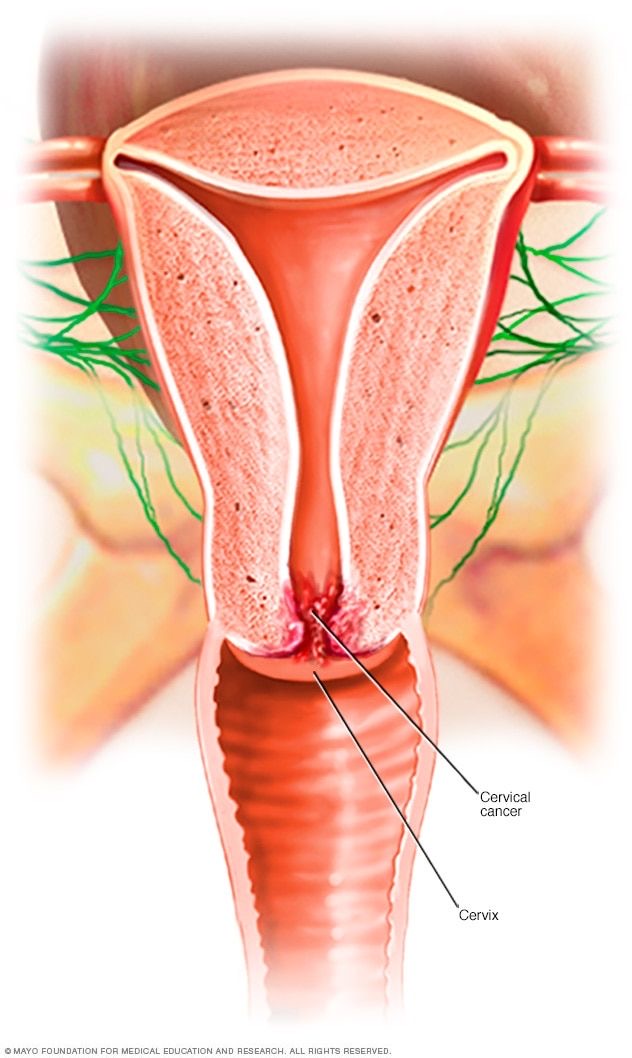
Furthermore, limited access to healthcare services and facilities in rural areas contributes to the rise in cervical cancer cases. Many women in these areas face numerous barriers, including financial constraints, lack of transportation, and long distances to healthcare centers. These challenges prevent timely screenings and early detection, leading to more advanced stages of cervical cancer upon diagnosis.
Another significant factor is the prevalence of high-risk human papillomavirus (HPV) infections. HPV is a sexually transmitted infection that is a leading cause of cervical cancer. In Pakistan, limited access to education about safe sexual practices and the lack of HPV vaccinations contribute to the spread of HPV infections and subsequent development of cervical cancer.

To address the rising incidence of cervical cancer, it is crucial to implement comprehensive awareness and education programs that target both women and the larger community. These initiatives should focus on promoting regular screenings, vaccinations, and safe sexual practices. Additionally, improving access to healthcare services, especially in rural areas, and providing affordable and accessible HPV vaccinations can significantly reduce the burden of cervical cancer in Pakistan.
In conclusion, the increasing prevalence of cervical cancer among women in Pakistan can be attributed to various factors, including lack of awareness, cultural barriers, limited access to healthcare services, and the prevalence of high-risk HPV infections. Addressing these issues through awareness campaigns, education, improved access to healthcare, and preventive measures can help combat the rise in cervical cancer cases and save lives.